If you´re Brazilian, you can probably finish these phrases in the blink of an eye, and you know exactly what they mean. Or do you? Try it out!
1) Um é pouco, dois é bom, …………………………. .
2) Um dia da caça, outro do …………………………. .
3) Nem cheira, nem ……………………………………. .
4) Que nunca comeu doce, quando come ………. .
5) Cortar o mal pela …………………………………… .
6) Fazer de gato e ……………………………………….. .
7) Prometer mundos e ………………………………… .
8) Tirar a barriga da …………………………………… .
9) Fechar com chave de ………………………………. .
10) De grão em grão a galinha ……………………… .
11) Puxar a brasa para a sua ………………………… .
12) Casa de ferreiro, espeto de …………………….. .
13) De vento em ………………………………………… .
14) Entre a cruz e a ……………………………………. .
15) Com a pulga atrás da …………………………….. .
16) Dar com os burros ……………………………….. .
17) Pão, pão, queijo, …………………………………… .
18) Até que a morte nos ………………………………. .
19) Botar a boca no …………………………………….. .
20) Comer o pão que o diabo ……………………….. .
21) Ou vai ou ……………………………………………… .
22) Quem te viu, quem te …………………………….. .
Now, how about these expressions in English? How good is your knowledge of colloquial English? Give it a try! Note: Check your answers below!
1) Where there´s smoke, there´s …………. .
2) Safe and …………………………………… .
3) Till death do us ………………………………… .
4) Easy come, easy …………………………. .
5) A bird in the hand is worth two ……….. .
6) Heads or ………………………………….. ?
7) When the cat´s away, the mice ……….. .
8) Two´s company, three´s ……………….. .
9) Enough is …………………………………. .
10) The early bird …………………………… .
11) Birds of a feather ………………………. .
12) Haste makes ……………………………. .
13) The grass is always greener …………… .
14) What good would that ………………… ?
15) It´s the thought that ………………………… .
16) The buck stops …………………………. .
17) A picture is worth ………………………. .
18) You could hear a ………………….. drop.
19) Mind your own …………………………… .
20) That´s like trying to find a …… in a haystack.
21) Too many cooks spoil the ……………… .
22) What part of “no” don´t you …………… ?
Respostas – Expressões em português
- Um é pouco, dois é bom, três é demais.
Significado: É uma forma bem-humorada de dizer que uma quantidade maior do que duas pessoas ou coisas pode ser excessiva. - Um dia da caça, outro do caçador.
Significado: As situações podem mudar. Quem está por cima hoje pode estar por baixo amanhã; quem vence hoje pode perder amanhã. - Nem cheira, nem fede.
Significado: Algo ou alguém que não é bom nem ruim, não se destaca e não causa nenhuma impressão especial. É o famoso “mais ou menos”. - Quem nunca comeu doce, quando come se lambuza.
Significado: Quem nunca teve determinada coisa ou experiência pode exagerar quando finalmente tem a oportunidade de desfrutá-la. - Cortar o mal pela raiz.
Significado: Resolver um problema desde a sua origem, antes que ele se torne maior ou mais difícil de solucionar. - Fazer de gato e sapato.
Significado: Tratar alguém muito mal ou fazer com essa pessoa o que bem entender, geralmente abusando da situação. - Prometer mundos e fundos.
Significado: Fazer muitas promessas, geralmente exageradas ou difíceis de cumprir. - Tirar a barriga da miséria.
Significado: Comer bastante depois de passar algum tempo sem comer ou depois de ter ficado muito tempo sem comer algo de que se gosta. Também pode ser usado de forma figurada para aproveitar bastante algo de que se estava privado. - Fechar com chave de ouro.
Significado: Terminar algo de maneira excelente, especialmente depois de uma sequência de acontecimentos positivos. - De grão em grão, a galinha enche o papo.
Significado: Pequenas quantidades ou pequenos esforços, quando acumulados, podem produzir um resultado significativo. - Puxar a brasa para a sua sardinha.
Significado: Agir em benefício próprio; tentar fazer com que uma situação seja favorável aos seus próprios interesses. - Casa de ferreiro, espeto de pau.
Significado: É comum alguém ser muito bom em determinada coisa para os outros, mas não aplicar esse conhecimento ou habilidade à própria vida. - De vento em popa.
Significado: Estar indo muito bem; estar progredindo ou se desenvolvendo de maneira muito positiva. - Entre a cruz e a espada.
Significado: Estar em uma situação difícil, tendo de escolher entre duas alternativas igualmente desagradáveis ou complicadas. - Com a pulga atrás da orelha.
Significado: Estar desconfiado ou com a sensação de que há algo errado ou que alguém está escondendo alguma coisa. - Dar com os burros n’água.
Significado: Fracassar; não conseguir o que se pretendia; ver seus planos darem errado. - Pão, pão, queijo, queijo.
Significado: Ser direto e objetivo; chamar as coisas pelo nome, sem rodeios ou disfarces. - Até que a morte nos separe.
Significado: Para sempre, até a morte de um dos dois. A expressão é tradicionalmente associada aos votos de casamento. - Botar a boca no trombone.
Significado: Falar publicamente sobre algo que deveria permanecer em segredo ou denunciar uma situação errada ou irregular. - Comer o pão que o diabo amassou.
Significado: Passar por muitas dificuldades ou sofrer muito; enfrentar uma situação extremamente difícil. - Ou vai ou racha.
Significado: É uma situação em que não há meio-termo: ou algo dá certo, ou tudo dá errado. Também pode expressar determinação para arriscar tudo. - Quem te viu, quem te vê.
Significado: Expressão usada quando alguém mudou muito, geralmente em comparação com o passado. Pode ser usada tanto de maneira positiva quanto irônica ou crítica.
Answers – English expressions
- Where there’s smoke, there’s fire.
Meaning: If there are signs that something is wrong, there is probably some truth behind them. - Safe and sound.
Meaning: Safe and unharmed; in good condition.
They arrived home safe and sound. - Till death do us part.
Meaning: Forever; until one person dies. Traditionally part of a marriage vow. - Easy come, easy go.
Meaning: Something obtained easily can be lost just as easily. Often said about money. - A bird in the hand is worth two in the bush.
Meaning: It’s better to keep something you already have than risk losing it by trying to get something better. - Heads or tails?
Meaning: A question used when tossing a coin to decide something. Heads refers to the side with a person’s head; tails refers to the other side. - When the cat’s away, the mice will play.
Meaning: When the person in charge is absent, people may behave more freely or misbehave. - Two’s company, three’s a crowd.
Meaning: Two people can enjoy being together, but a third person may make the situation awkward or unwelcome, especially in a romantic context. - Enough is enough.
Meaning: A situation has gone too far and must stop. - The early bird catches the worm.
Meaning: People who act early have a better chance of success.
Similar idea: The early bird gets the worm. This is also very common. - Birds of a feather flock together.
Meaning: People with similar personalities, interests or habits tend to associate with one another. - Haste makes waste.
Meaning: Doing something too quickly often causes mistakes and creates more problems. - The grass is always greener on the other side.
Meaning: Other people’s situations often seem better than our own, even when they aren’t. - What good would that do?
Meaning: How would that help? What benefit would that have? - It’s the thought that counts.
Meaning: The intention behind a gift or gesture is more important than its monetary value or quality. - The buck stops here.
Meaning: The person in charge accepts responsibility for what happens and does not pass the blame to someone else. - A picture is worth a thousand words.
Meaning: A picture can communicate an idea much more effectively than a long verbal explanation. - You could hear a pin drop.
Meaning: It was extremely quiet. - Mind your own business.
Meaning: Don’t interfere in other people’s affairs. Note: This can sound quite rude or aggressive. - That’s like trying to find a needle in a haystack.
Meaning: Trying to find something that is extremely difficult to locate because it is hidden among many other things. - Too many cooks spoil the broth.
Meaning: When too many people try to control or contribute to the same task, the result may be worse. - What part of “no” don’t you understand?
Meaning: Why don’t you understand that my answer is definitely “no”? This is usually said when someone refuses to accept a person’s refusal. Note: It is intentionally blunt and can sound confrontational.
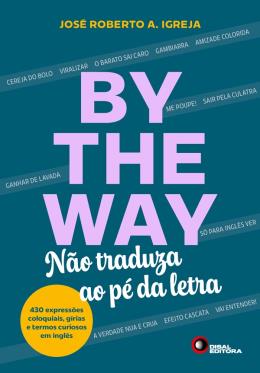
Ref. By the way – Não traduza ao pé da letra! Autor: José Roberto A. Igreja – Disal Editora
Você pode encontrar este novo livro na Disal, na Amazon, na Estante Virtual e outras grandes livrarias.